Even at Gangsan Mine, 'Gold Only'... Development of Urban Mine Adsorption Separation Membrane by Chonbuk National University and Gyeongsang National University
...
Editor(2025-12-30 00:16:59)
As the use of electronic devices such as smartphones and laptops increases, the amount of global electronic waste (E-waste) is rapidly increasing. In the midst of this, a high-performance adsorption membrane that can selectively recover only gold from waste printed circuit boards (PCBs) solution has been developed by a domestic research team.
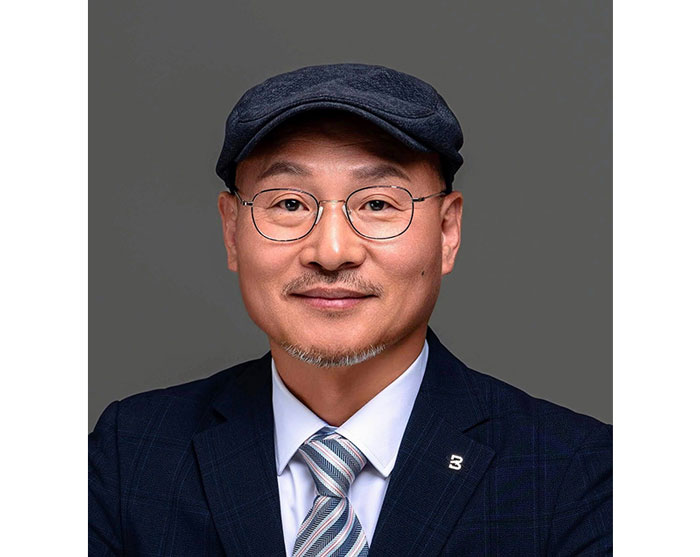
Professor Yoon Young-sang of Jeonbuk National University and Professor Won Seong-wook of Gyeongsang National University announced that they have successfully created a membrane that selectively binds to gold ions even in a strong acidic environment, allowing for the prioritized adsorption and recovery of gold from actual PCB solutions. The research results were published in the latest issue of the international academic journal 'Chemical Engineering Journal.'
The membrane developed by the research team is a structure in which a polymer with amine functional groups is stably combined with a plastic-based membrane, selectively adsorbing gold ions over other metals such as copper and nickel. The gold adsorption capacity of the membrane was reported to be in the range of 720 to 870 mg per gram in experiments, and its performance remained stable even under strong acidic conditions.
In particular, the feature of the gold ions being naturally reduced to a metallic state on the membrane without the need for a reducing agent or additional chemicals after adsorption is noteworthy. The research team explained that by incinerating the used membrane, a process where only high-purity gold remains can simplify the process and reduce environmental burdens. The membrane showed almost no performance degradation even after being used more than three times, confirming the selective recovery of gold in continuous processes.
Professor Won Seong-wook mentioned that pilot testing is currently underway at the startup company Eptherus in which he is involved, and they plan to expand the application range to various industrial waste materials such as battery waste. The research team believes that this technology will be a key alternative that will accelerate the commercialization of the electronic waste recycling industry.